
Tin tức
Exploring the psychology behind casino game choices
The Influence of Emotion on Gambling Choices
Emotions play a significant role in the decision-making process of gamblers. When players feel excitement, they are more likely to engage in high-risk games, such as poker or roulette, due to the adrenaline rush that accompanies the potential for big wins. Interestingly, many gamblers are turning to anew bitcoin casino environment, where feelings of anxiety or stress may lead individuals to opt for games perceived as lower stakes, like slot machines or bingo, which offer a more relaxed and less intensive atmosphere.
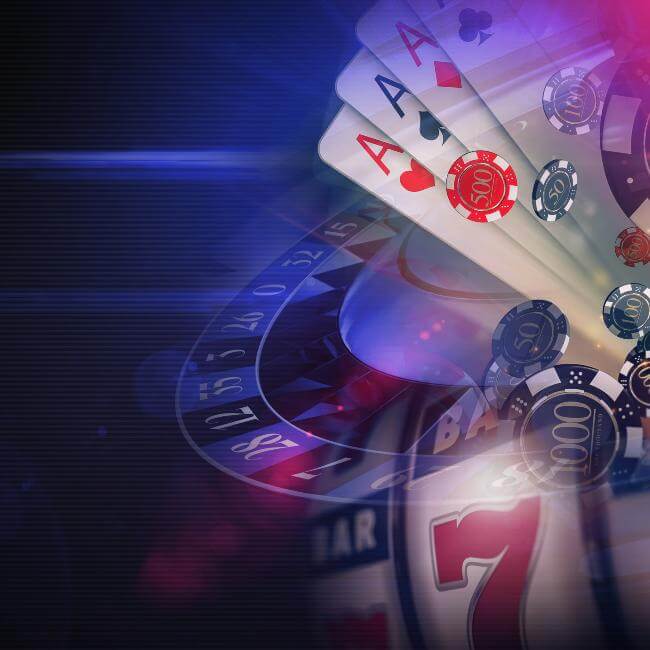
Moreover, the emotional state of a player can heavily influence their choice of games. For instance, individuals seeking social interaction may gravitate toward table games where they can engage with other players, while someone feeling solitary may prefer the solitary experience of online slots. Understanding these emotional triggers can provide insights into player behavior and preferences within the casino environment.
The Role of Cognitive Biases
Cognitive biases significantly affect how players approach casino games. One common bias is the illusion of control, where gamblers believe they can influence the outcome of games like dice or cards, despite these being purely chance-based. This belief can lead players to choose games where they feel they have more control, even when the odds remain the same.
Another bias, known as the gambler’s fallacy, can impact choices as well. Gamblers may believe that past outcomes affect future results, leading them to favor games based on recent trends—like choosing a roulette number that has hit in previous spins. These cognitive distortions highlight how psychological factors can shape game selection and overall gambling behavior.
The Impact of Game Design and Mechanics
Casino games are meticulously designed to attract players, and their features often tap into psychological triggers. For example, colorful graphics, engaging sounds, and the thrill of near wins can create a compelling gaming experience that keeps players coming back. Games that reward players frequently, even with small wins, can lead to prolonged engagement as the excitement builds.
Furthermore, the concept of loss aversion plays a significant role in game choice. Players are more likely to avoid games perceived to have high volatility, preferring those that offer frequent, smaller payouts. This is often reflected in the preference for slot games with multiple paylines and bonus features, as they provide a sense of reward that counters the anxiety of potential losses.
The Social Aspects of Gambling
Gambling is not just an individual activity; it often encompasses a social experience that can heavily influence game choices. Players may be drawn to games that allow for interaction with others, such as poker or blackjack. The social dynamics at play—ranging from competition to camaraderie—can significantly impact decisions, making certain games more appealing based on the community environment.
Additionally, the influence of friends or family can sway game choices. If a social circle frequently plays a particular game, individuals are more likely to adopt those preferences to enhance their social experiences. This highlights the interconnectedness of psychology and social settings in shaping gambling behavior.
Explore Unique Casino Experiences with Us
At our platform, we delve into the psychology of casino game choices, providing comprehensive insights tailored for players seeking to understand their gambling habits better. By exploring factors such as emotional triggers, cognitive biases, and social influences, we empower players to make informed decisions in their gaming experiences.
Join us as we uncover the diverse world of casino games, emphasizing the unique experiences offered by crypto casinos that cater to modern gamblers. With instant transactions, enhanced privacy, and a wide range of gaming options, our mission is to enhance your understanding and enjoyment of the gambling landscape.
