

Public
Exploring the psychology behind casino gambling Why do we play
The Allure of Risk
The psychology behind casino gambling often begins with the allure of risk. Many individuals are drawn to the thrill of uncertain outcomes, which activates the brain’s reward centers. This arousal can generate excitement and adrenaline, creating a compelling urge to play. Those looking for new opportunities may also be interested in sports betting promos that can heighten their experience. For some, this need for excitement becomes habitual, leading to repeated visits to casinos in search of the next big win.
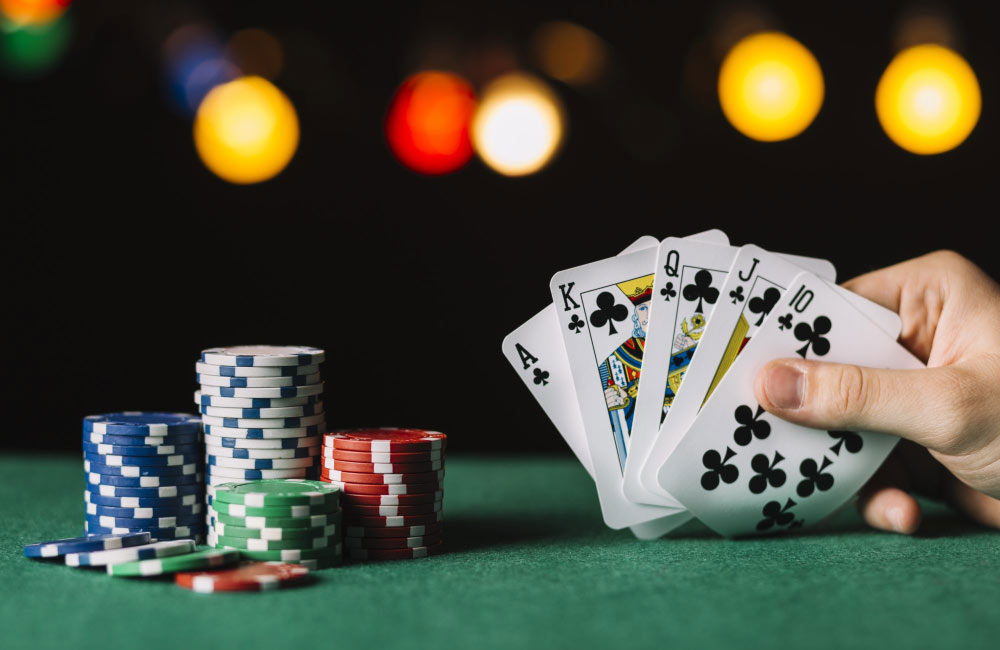
This risk-taking behavior is not just about monetary gain; it’s deeply rooted in our psychological makeup. The unpredictability of winning, combined with the excitement of the game, can create a potent cocktail of emotions that keeps players coming back. The idea of hitting the jackpot or making a significant win can overshadow the potential losses, making the gamble seem worth the risk.
The Role of Cognitive Biases
Cognitive biases significantly influence the way gamblers perceive their chances of winning. One common bias is the illusion of control, where players believe they can influence the outcome of games that are purely based on chance. This mindset can lead to persistent gambling behavior, as individuals maintain the belief that their skill or strategy will override the odds.
Another bias is the gambler’s fallacy, which is the mistaken belief that past events affect future probabilities. This can lead players to make irrational bets, thinking that a win or loss is “due.” Understanding these cognitive biases is crucial to grasping why individuals continue to gamble despite consistent losses, as these perceptions alter their reality and decision-making processes.
The Social Aspect of Gambling
Gambling is often a social activity, drawing people together in a shared environment. This social dimension enhances the overall gambling experience, as players engage with friends and strangers alike. Casinos are designed to foster a sense of community, with vibrant atmospheres that encourage interaction. People may find themselves attracted to the camaraderie that gambling can offer, which can be just as compelling as the games themselves.
Furthermore, social validation plays a significant role in reinforcing gambling habits. Celebrating wins with friends or commiserating over losses can create a sense of belonging. This social reinforcement often results in an emotional connection to the gaming experience, making it harder for individuals to detach from gambling, even when they recognize its potential problems.
The Impact of Emotions on Gambling Behavior
Emotions deeply influence gambling behavior, both positively and negatively. For many, gambling serves as an escape from daily stressors, offering a temporary thrill and distraction. This escapism can provide comfort, but it can also lead to unhealthy coping strategies when individuals begin to rely on gambling to manage their emotional states.
On the flip side, negative emotions such as frustration or sadness can also drive individuals to gamble, seeking solace or a way to change their fortunes. This complex relationship between emotions and gambling reflects a broader psychological landscape, where players navigate their feelings in pursuit of pleasure, excitement, or relief from distress.

Discover Valuable Insights on Gambling
Our website is dedicated to exploring various aspects of gambling, including its psychological underpinnings. We aim to provide users with essential information and resources to better understand the allure and implications of gambling behavior. Whether you’re a seasoned player or just curious about the topic, our content is tailored to enhance your knowledge and awareness.
We encourage you to delve into our available sections for valuable insights and assistance as you navigate the complex world of casino gambling. Understanding the psychology behind why we play can empower you to make informed decisions and foster a healthier relationship with gaming activities.
